EOS
High-Capacity Connectivity.
No RF Signature.
EOS is a rapidly deployable wireless optical communications system delivering high-capacity, point-to-point connectivity through narrow, invisible beams of light.

UP TO 20 GBPS
FULL-DUPLEX
NO RF
SIGNATURE
UP TO 20 KM
PER LINK
Operational networks become more resilient when they are not dependent on a single transmission method.
EOS adds a high-capacity optical bearer to existing fibre and RF networks. Its narrow, point-to-point beam carries data through the air without producing an RF communications signature, providing an additional route for critical information.
EOS can operate as a primary link, extend existing infrastructure or form part of a multi-bearer network with automatic failover managed by external network equipment.
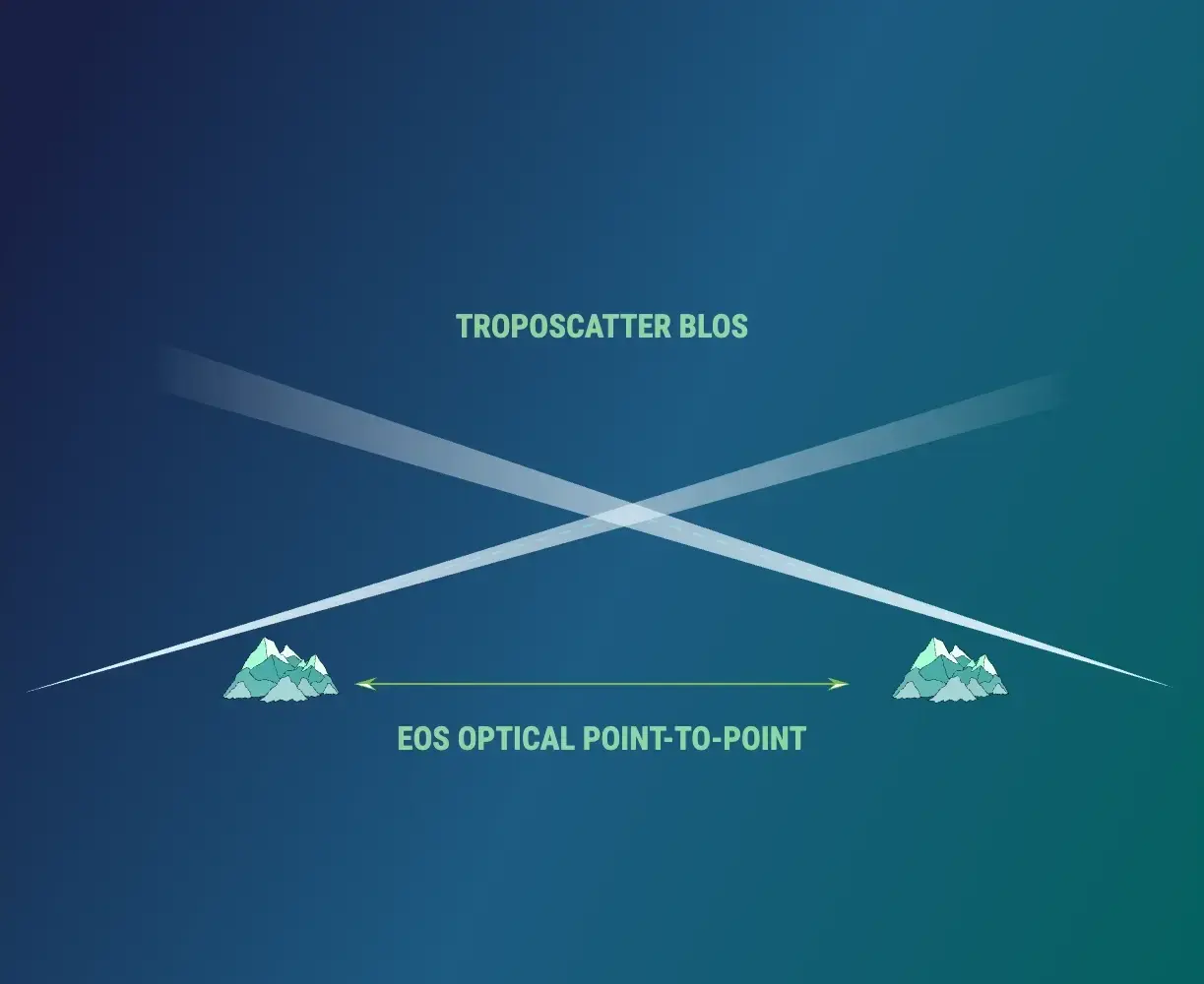
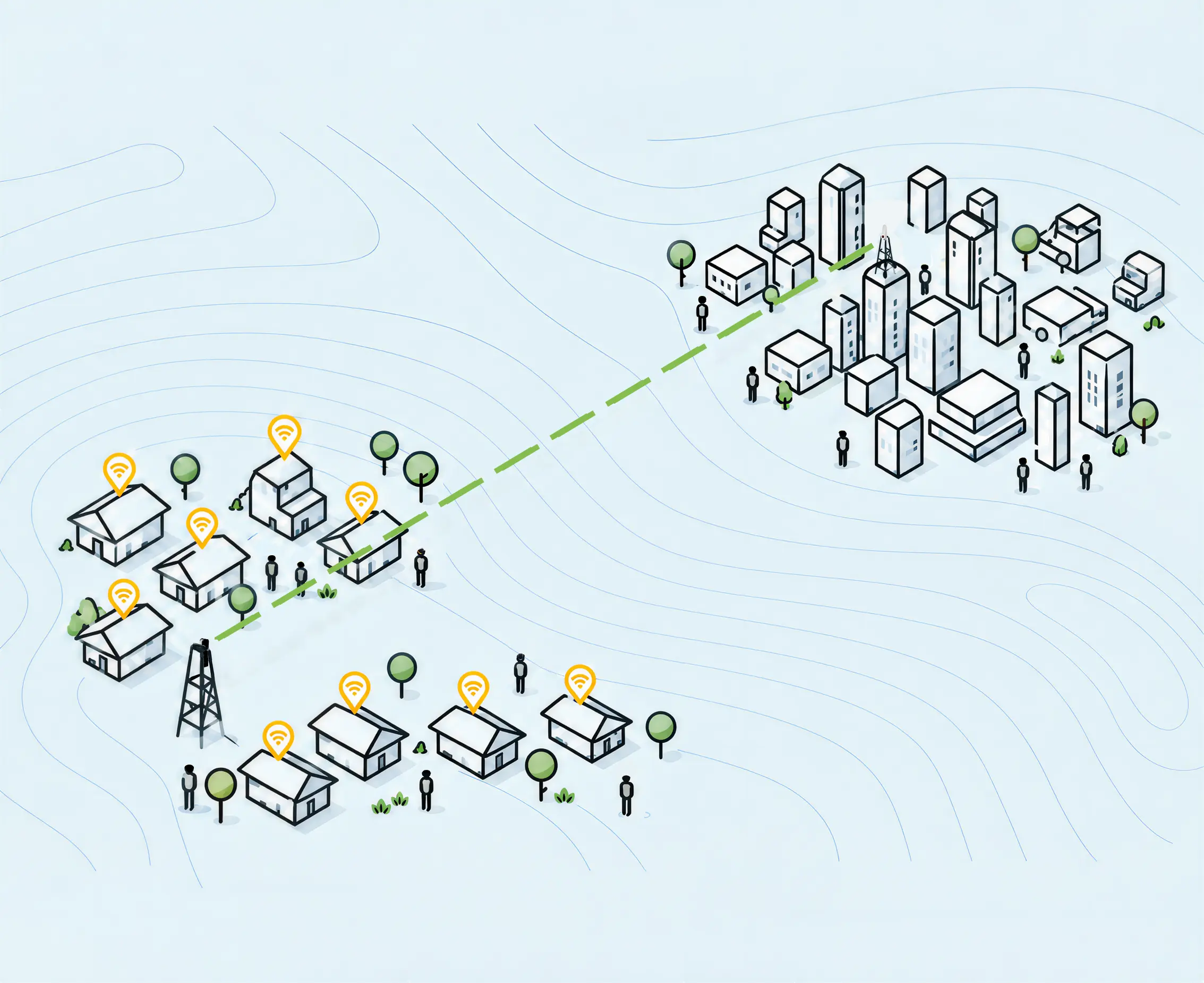
EOS uses Wireless Optical Communication technology to transmit data between two line-of-sight terminals.
In the same way that fibre carries information using light within a cable, EOS transmits data through the air using a narrow, invisible optical beam. Precision pointing and tracking systems automatically acquire, align and maintain the connection between terminals.
A single EOS link can provide up to 20 Gbps full-duplex throughput over distances from 400 metres to 20 kilometres, subject to line of sight, environmental conditions and link design.
EOS enables high-capacity links to be established without trenching, laying fibre or installing intermediate repeaters.
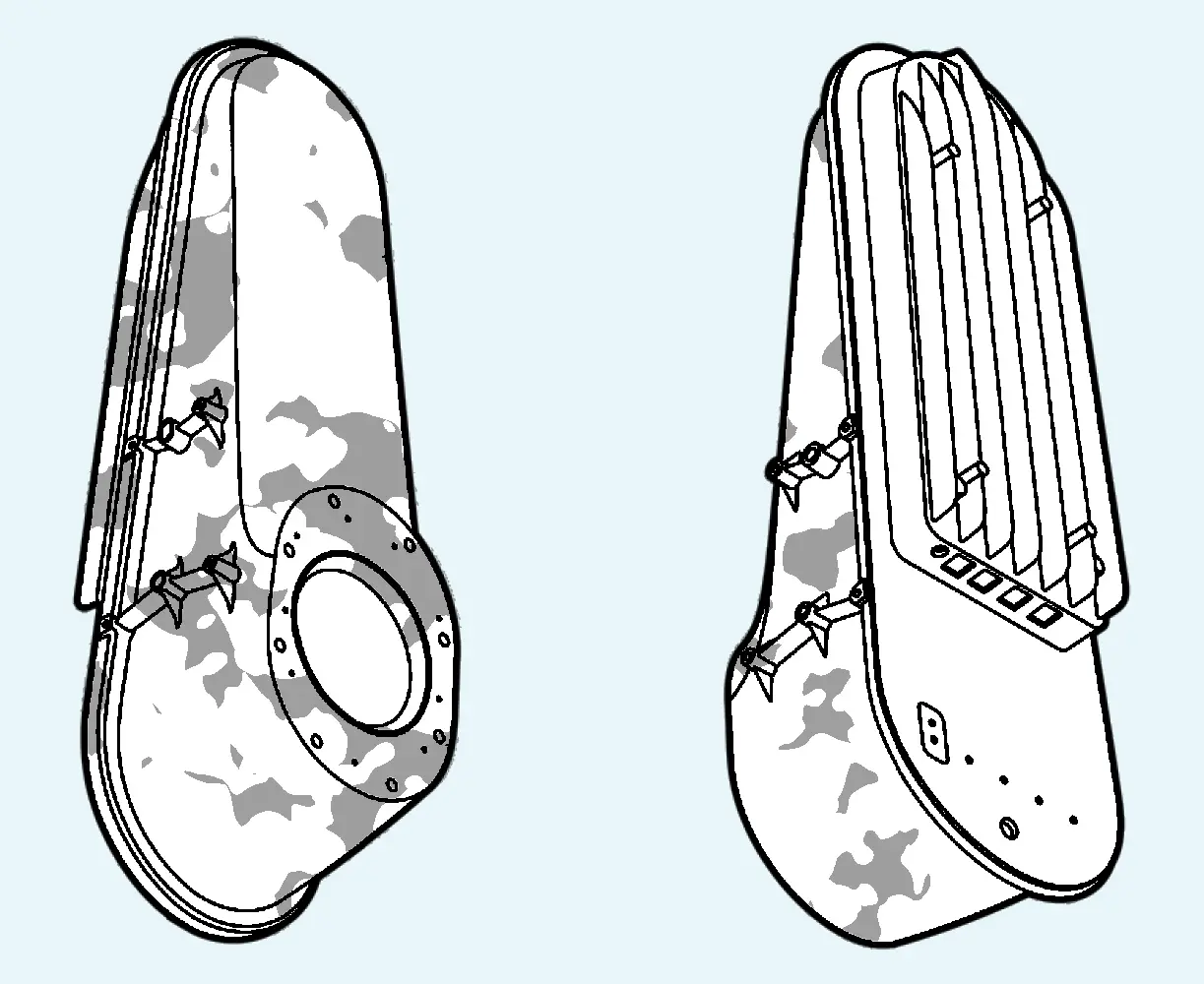
Each 13 kg terminal requires limited supporting equipment and can be installed on poles, towers or rooftops. Automated acquisition and alignment reduce the setup burden, while a typical power consumption of 40 W per terminal supports deployment in locations with constrained power availability.
EOS can be removed and redeployed as operational requirements change, making it suitable for temporary headquarters, forward locations, trials and rapidly changing network architectures.
01
Install terminals on poles, towers or rooftops.
02
Connect DC power or PoE++/UPoE.
03
Use automated search, alignment and link acquisition.
04
Connect EOS to the existing network infrastructure.
EOS uses open standards and is designed to integrate with existing fibre, radio and externally encrypted network infrastructure.
It can transport externally encrypted data and is compatible with networks protected by external encryption, including Type 1 solutions.
Integration with existing secure network infrastructure can support automatic bearer failover between EOS and alternative communications paths.
Open standards
External encryption
Automatic bearer failover
Extend fibre capacity or supplement existing radio networks without installing cable between sites.
Add an optical path to networks already using RF, satellite or terrestrial infrastructure.
Connect locations across airfields, maritime and littoral environments, transport routes and complex urban areas.
Establish temporary high-capacity links for command posts, dynamic operations, trials or for changing operational requirements.
Integrate EOS with external switching to provide an alternative route when another bearer becomes degraded or unavailable.
Range, throughput and availability depend on line of sight, local weather conditions and link design.
EOS complements Spectra’s RF, satellite and troposcatter capabilities by adding a high-capacity optical transmission path.
Contact our team to discuss network design, deployment requirements, link planning and integration with existing communications infrastructure.
Request information





Error: Contact form not found.